Natural Wood Fencing for Sandy Properties
There is something about a well-built wood fence against the backdrop of the Wasatch Mountains that vinyl and metal simply cannot replicate. Wood brings natural warmth, texture, and character to a property, and when it is built correctly for the south Salt Lake Valley's climate, it delivers years of reliable service alongside that aesthetic appeal. Sandy Fence Company specializes in custom wood fence construction that accounts for the specific demands of our region, from the sandy, gravelly soil beneath your property to the intense UV exposure and canyon-driven weather patterns that affect every fence in our service area.
The south valley's climate is demanding on wood. Sandy sits at 4,500 feet where the air is dry, the sun is intense, and winter temperatures regularly drop below freezing while summer days push past 100 degrees. The region receives over 50 inches of snow annually, adding moisture stress to every outdoor structure. Without the right wood species and proper treatment, a fence can gray, crack, and weaken within just a few seasons. That is why we build exclusively with western red cedar and premium pressure-treated lumber, both of which have the natural and engineered properties to perform well in these conditions. For properties where a different aesthetic or budget is appropriate, we also install chain link and ornamental iron fencing. Every board is selected for quality, and every fence is constructed with techniques refined through years of building in this specific environment.
Wood Fence Styles for Every Sandy Home
Wood fencing offers the most design flexibility of any fence material, which is why it remains a top choice for homeowners who want a fence that reflects their personal style. We build the following wood fence designs throughout Sandy and the surrounding south valley communities:
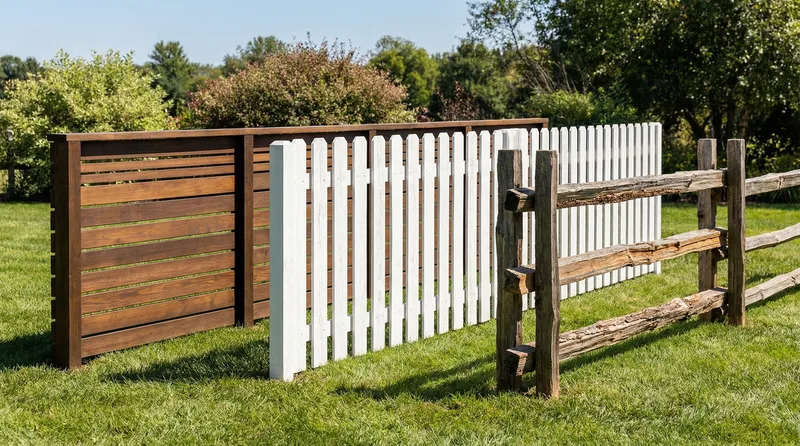
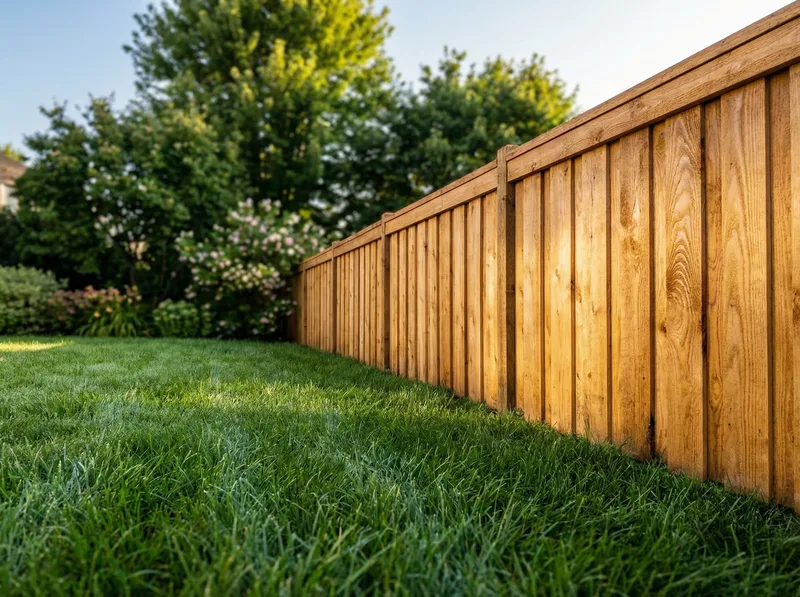
- Privacy Fencing -- Full-height solid panels using tight-fit boards that block sightlines completely. The most popular wood fence style in Sandy, particularly for backyards in established neighborhoods throughout Murray, Midvale, and Taylorsville where lot lines are close together.
- Board-on-Board -- Overlapping boards mounted on alternating sides of the rail, creating a fence that looks finished from both sides. An ideal choice for properties where your neighbors see the fence as much as you do, and a popular option in HOA communities that require a presentable appearance from all angles.
- Shadowbox -- Boards are alternated on opposite sides of the rail with a slight gap, allowing filtered airflow and light while still providing significant privacy. This style works particularly well along the east bench where capturing mountain breezes is welcome.
- Horizontal Slat -- A modern, contemporary design with horizontal boards instead of the traditional vertical orientation. Increasingly popular in newer construction areas like Draper, South Jordan, and Herriman where homeowners want a clean, architectural look.
Wood Selection for Utah's Mountain Climate
The wood species you choose matters enormously in the south Salt Lake Valley. Western red cedar is our primary recommendation because it contains natural oils that repel moisture, resist insect damage, and slow the weathering process that Utah's harsh climate accelerates. Cedar also has a tight, straight grain that minimizes warping and cupping as the wood expands and contracts through our dramatic temperature swings.
Pressure-treated pine is the budget-conscious alternative, and it performs respectably in Sandy when properly maintained. The treatment process forces preservative chemicals deep into the wood fiber, creating resistance to rot and insect damage. We use above-ground rated treatment for fence boards and ground-contact rated treatment for all posts, which is especially important given the moisture variability in Sandy's soil composition.
Proper Construction for Sandy's Soil and Wind
Sandy's namesake soil conditions present specific challenges for wood fence construction. The ground across much of the city is a mixture of sand, gravel, and rocky glacial deposits, which can make post-hole digging difficult and post stability unpredictable if corners are cut. We dig every post hole below the local frost line and set posts in concrete, using oversized footings on properties with particularly loose or sandy soil to prevent shifting and leaning over time.
For properties near the mouths of Big Cottonwood and Little Cottonwood Canyons, wind loading is a significant design factor. Canyon-effect gusts funnel down through these corridors with enough force to stress fence panels and loosen connections. We account for this by using heavier gauge hardware, closer post spacing, and reinforced rail connections on wind-exposed properties. The result is a wood fence that stands strong through storm after storm.